
Coverage Germany
Audio Guide Homburg
app, one-time €4.99
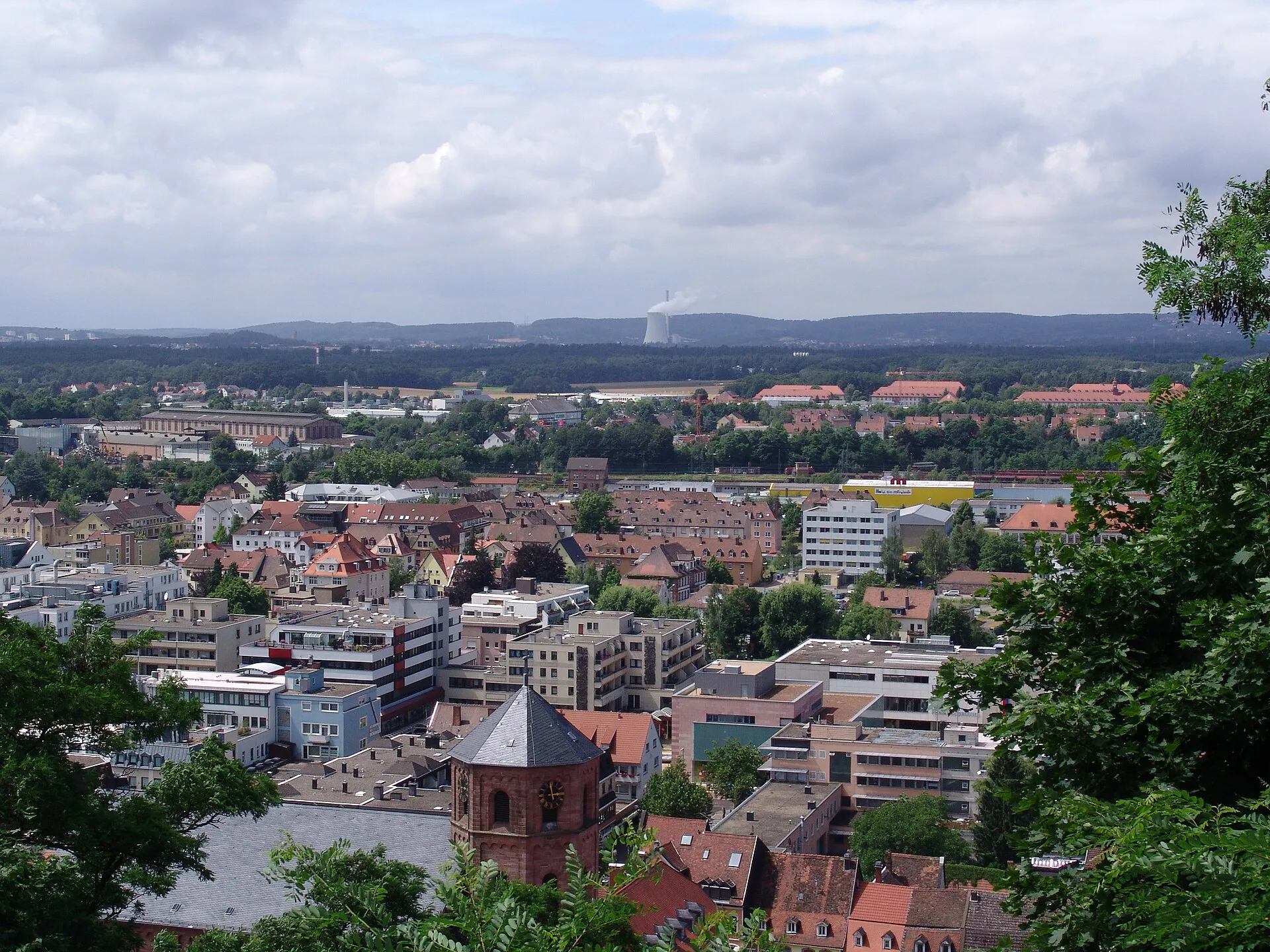
Homburg, in the Saarland region of Germany, sits at a crossroads of Roman roads, medieval fortresses, and Baroque palaces. Beneath the ruined Hohenburg lies a sandstone labyrinth whose walls still bear 250-million-year-old reptile footprints, giving the city a depth that goes well beyond its surface.
13+ researched places in the app
Yes. Parroo is a self-guided audio guide for Homburg: 13 researched places, from Homburg Fortress to Castle Hill Caves and Roman Museum Schwarzenacker, each with a short summary, a full article, and a roughly three-minute audio story in German, English, and French. Buy once, no subscription, no booking. Start whenever you like.
Audio sample: Homburg Fortress
Homburg
Places researched in this city
A selection of the 13 places we've researched in this city. The full set is in the Parroo app.
- Medieval fortress ruins
- Sandstone caves
- Roman archaeology
- Baroque palace
- Gothic tower
- Nature reserve
-
01
Homburg Fortress
A 12th-century seat of counts that was later redesigned into a modern citadel by the same military engineer behind countless French fortifications: Vauban. The ruins atop the 325-metre Schlossberg chart the full arc from medieval stronghold to Renaissance palace to Baroque citadel.
-
02
Castle Hill Caves
The walls of these sandstone caves still carry fossilised ripple marks and Triassic reptile footprints from 250 million years ago. Carved in the 17th century to extract quartz sand for glass production, the twelve-level network stretching 140 metres also served as an air-raid shelter during World War II.
-
03
Roman Museum Schwarzenacker
A Gallo-Roman market town of over 2,000 inhabitants once stood here, positioned at the intersection of roads linking Metz, Trier, Worms, and Strasbourg, until the Alemanni destroyed it in 275 AD. The open-air museum includes reconstructed buildings and artefacts, among them the remarkable "House of the Eye Doctor."
-
04
Cultural Park Karlsberg Castle
Duke Charles II August built what was considered one of the most magnificent castle complexes in Europe between 1776 and 1786, complete with a zoo, cascades, a theatre, and a bear pit. French troops razed the entire estate in 1793, leaving only the landscape as witness.
-
05
Historic Marketplace
The old town square has anchored Homburg's daily life since the medieval period, and the Heimatmuseum established here in 1929 still holds the city's documentary memory. A weekly market runs every Tuesday and Friday, and the annual Musiksommer fills the square with outdoor performances.
-
06
Wörschweiler Monastery Ruins
Founded in 1131 as a Benedictine priory, this hilltop monastery was dissolved during the Reformation in 1558, and in 1614 a fire started to clear out snakes and vermin burned away what remained of the abbey buildings. The sandstone ruins on Marienberg hill preserve traces of both Romanesque and early Gothic architecture.
-
07
Beeder Tower
The oldest building in Homburg is a solitary Gothic tower that survived the Thirty Years' War after the church it once belonged to was destroyed in the 17th century. Built in the 14th century over a Romanesque predecessor, its chancel retains rib vaulting and chalice capitals that rarely feature in tourist itineraries.
-
08
6 more places to discover
In the Parroo app
Good to know
13 researched places, from the Homburg Fortress and the Castle Hill Caves to lesser-known spots like the Beeder Tower. Each one has a short summary, a full article, and a ~3-minute audio story.
Yes. Every place has a ~3-minute audio story, written from the perspective of a guide standing next to you and produced with premium narration, not the article read aloud.
German, English, and French. Pick whichever you'd rather read or listen in.
No booking, no signup. It's a self-guided walk you start whenever you like. You do need a connection for now to stream the audio and load articles; offline support is something we're still building.
A one-time €4.99 for the whole city, no subscription and no recurring cost. You buy Homburg once and keep access to all 13 places with text and audio.
Open this city in Parroo
Get the full articles, audio stories, and map for this city in the Parroo app. One payment per geography. Yours to keep.
Updated: 2026-09-25