
Coverage France
Audio Guide Vannes
app, one-time €4.99
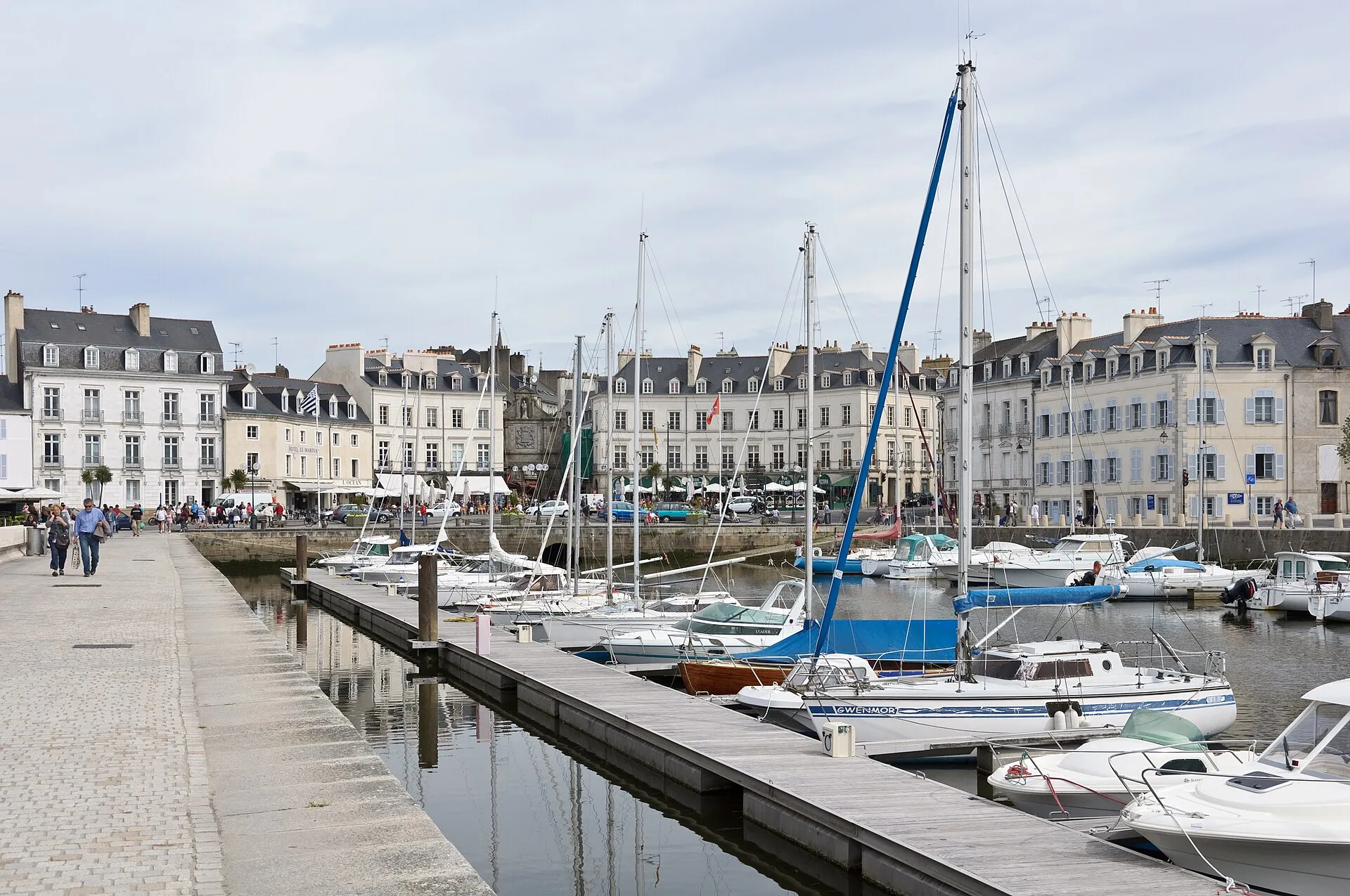
Vannes is a walled Breton city where Roman foundations, medieval ramparts, and a cathedral built for pilgrims all press up against a working port on the Gulf of Morbihan. The Treaty of 1532 that formally joined Brittany to France was signed here, and the streets inside the old walls look much as they did when it happened. Few French cities of this size have kept so much of their medieval fabric intact.
36+ researched places in the app
Yes. Parroo is a self-guided audio guide for Vannes: 36 researched places, from Saint Peter's Cathedral of Vannes to Ramparts of Vannes and Historic Center of Vannes, each with a short summary, a full article, and a roughly three-minute audio story in German, English, and French. Buy once, no subscription, no booking. Start whenever you like.
Audio sample: Saint Peter's Cathedral of Vannes
Vannes
Places researched in this city
A selection of the 36 places we've researched in this city. The full set is in the Parroo app.
- Medieval ramparts
- Gothic cathedral
- Half-timbered squares
- Historic market halls
- Port and marina
-
01
Saint Peter's Cathedral of Vannes
A Spanish Dominican friar died in Vannes in 1419, was canonised in 1455, and the city promptly rebuilt its cathedral around his tomb to handle the flood of pilgrims. At 110 metres, it is the longest cathedral in Brittany, and his tomb, flanked by 17th-century paintings and a Gobelins tapestry, remains the heart of the building.
-
02
Ramparts of Vannes
Built in layers from the 3rd century under Emperor Probus all the way to the 17th century, these walls grew from a 5-hectare Roman triangle on a rocky hill to a 13-hectare circuit that still stands three-quarters intact today. The Constable's Tower alone has walls three metres thick.
-
03
Historic Center of Vannes
The Romans founded this city in the 1st century BC as Darioritum, capital of the Veneti, and the medieval street pattern they left behind is still the one you walk through now. The half-timbered houses, the cathedral, and the ducal buildings all crowd together inside walls that saw Brittany vote itself into France in 1532.
-
04
Henri-IV Square
In the 1860s this square had a regular bird market where vendors called Pilorgets sold linnets and goldfinches from the shadow of 15th and 16th-century half-timbered houses built with the overhanging technique known as jettying. Originally named after the Breton phrase for 'stone of the goats', it only got its royal name in the 19th century.
-
05
Saint Vincent Gate
This Baroque granite gateway, built between 1620 and 1624, connects the port to the walled city and was named in honour of the Dominican preacher who died in Vannes two centuries earlier. The original statue of Saint Vincent Ferrier installed in 1624 was removed during the Revolution and replaced only later.
-
06
Vannes and His Wife
Carved in polychrome granite in the 16th century and set into the facade of a half-timbered house, this Renaissance double bust is thought to have served as a commercial sign rather than a civic monument. Nobody knows who made it, and similar couples carved in the same regional style turn up in at least five other Morbihan towns.
-
07
Trumpet Tower
Spanish troops set this 14th-century granite tower alight in 1597, earning it the lasting nickname 'Tour Brûlée'. Today the scorched medieval walls enclose a crêperie, making it one of the more unusual dining venues on the old rampart circuit.
-
08
29 more places to discover
In the Parroo app
Good to know
36 researched places, from the Saint Peter's Cathedral and the medieval Ramparts to lesser-known spots like Vannes and His Wife. Each one has a short summary, a full article, and a ~3-minute audio story.
Yes. Every place has a ~3-minute audio story, written from the perspective of a guide standing next to you and produced with premium narration, not the article read aloud.
German, English, and French. Pick whichever you'd rather read or listen in.
No booking, no signup. It's a self-guided walk you start whenever you like. You do need a connection for now to stream the audio and load articles; offline support is something we're still building.
A one-time €4.99 for the whole city, no subscription and no recurring cost. You buy Vannes once and keep access to all 36 places with text and audio.
Nearby cities
Open this city in Parroo
Get the full articles, audio stories, and map for this city in the Parroo app. One payment per geography. Yours to keep.
Updated: 2026-09-25