
Coverage France
Audio Guide Provins
app, one-time €4.99
Provins is a UNESCO World Heritage medieval town about 80 km southeast of Paris, once the economic powerhouse of the Counts of Champagne. In the 12th and 13th centuries its trade fairs drew merchants from across Europe, and the town even minted its own currency. Beneath the cobblestones, 25 km of limestone tunnels still run in near-complete darkness, while above ground a 42-metre octagonal tower still dominates the skyline.
19+ researched places in the app
Yes. Parroo is a self-guided audio guide for Provins: 19 researched places, from Caesar Tower to Collegiate Church of Saint-Quiriace and Saint-Jean Gate, each with a short summary, a full article, and a roughly three-minute audio story in German, English, and French. Buy once, no subscription, no booking. Start whenever you like.
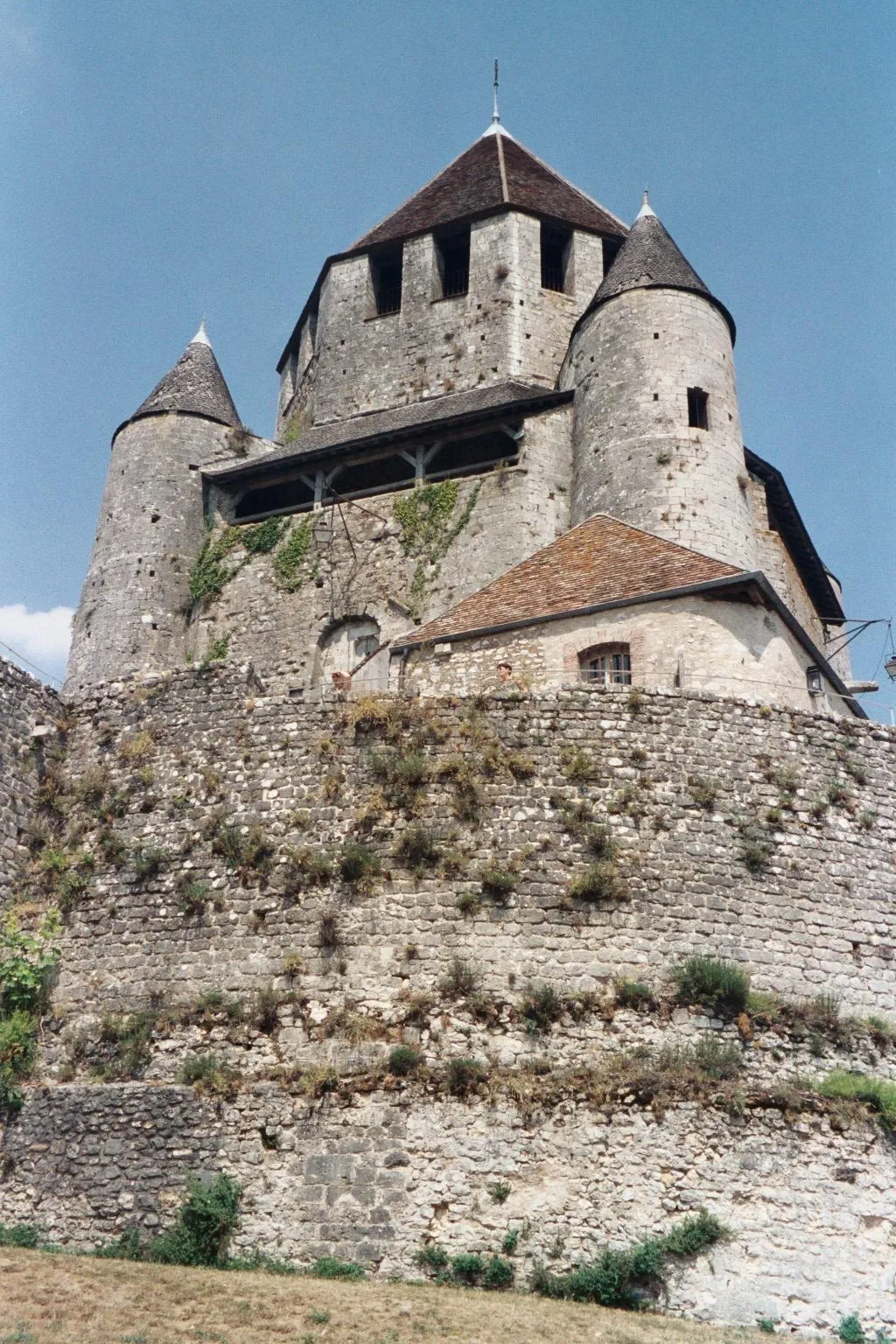
Audio sample: Caesar Tower
Provins
Places researched in this city
A selection of the 19 places we've researched in this city. The full set is in the Parroo app.
- Medieval keep
- Fortified gates
- Gothic collegiate church
- Underground tunnels
- Medieval square
- Rose garden
-
01
Caesar Tower
The only known medieval keep with an octagonal structure built on top of a square base, this 12th-century tower served in turns as a watchtower, prison, and water reservoir, and was reinforced by English forces during the Hundred Years' War. At 42 metres it still dominates the upper town and offers panoramic views across the Brie plain.
-
02
Collegiate Church of Saint-Quiriace
Count Henry I of Champagne began rebuilding this church around 1157, yet the nave was never completed, and the dome crowning it today was added six centuries later in the 17th century. Joan of Arc visited the church, which now stands as a striking record of ambition that outran its era.
-
03
Saint-Jean Gate
Built between the 11th and 13th centuries by the Counts of Champagne to protect their lucrative trade fairs, this twin-towered gate is one of only two original entrances left standing from a wall that once stretched 5 km. Of those fortifications, just 1.2 km survive today.
-
04
Châtel Square
For over a century this rectangular 80-by-30-metre square was the beating heart of the Champagne fairs, the place where the 'Croix des Changes' stood and monetary transactions were announced by the counts. Historians credit these fairs with helping lay the groundwork for modern European banking.
-
05
The Tithe Barn
Built in the 13th century as a covered market hall for the Champagne fairs, this stone building with its rib-vaulted rooms was repurposed in the 14th century to collect agricultural taxes, which is how it got its current name. It was classified as a historical monument as early as 1847.
-
06
The Underground of Provins
Stretching up to 25 km beneath the town, these 12th- and 13th-century tunnels were quarried for fuller's earth used in the wool trade, then quietly taken over as storage cellars, wartime shelters, and venues for clandestine gatherings including Freemason meetings, whose symbols are still carved into the chalk walls.
-
07
The Rose Garden of Provins
The Rosa gallica officinalis on display here is said to have been brought back from a crusade by Thibaud IV of Champagne in 1240, establishing a rose-growing tradition that gave Provins a second identity alongside its trade fairs. The 3.5-hectare garden holds more than 450 varieties and carries the French 'Remarkable Garden' label.
-
08
12 more places to discover
In the Parroo app
Good to know
19 researched places, from the Caesar Tower and the Tithe Barn to lesser-known spots like the Underground of Provins. Each one has a short summary, a full article, and a ~3-minute audio story.
Yes. Every place has a ~3-minute audio story, written from the perspective of a guide standing next to you and produced with premium narration, not the article read aloud.
German, English, and French. Pick whichever you'd rather read or listen in.
No booking, no signup. It's a self-guided walk you start whenever you like. You do need a connection for now to stream the audio and load articles; offline support is something we're still building.
A one-time €4.99 for the whole city, no subscription and no recurring cost. You buy Provins once and keep access to all 19 places with text and audio.
Nearby cities
Open this city in Parroo
Get the full articles, audio stories, and map for this city in the Parroo app. One payment per geography. Yours to keep.
Updated: 2026-09-25