
Coverage France
Audio Guide Porto-Vecchio
app, one-time €4.99
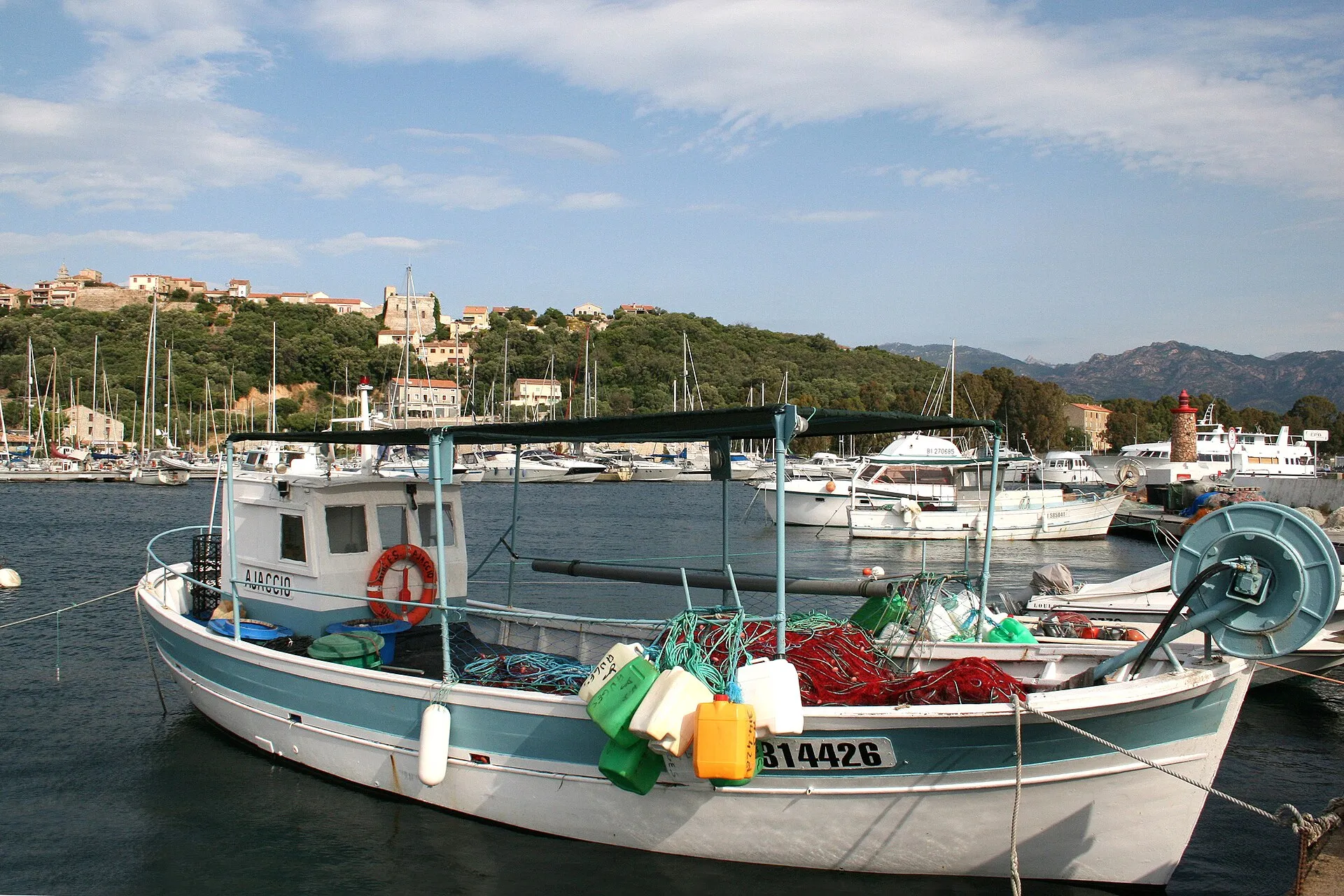
Porto-Vecchio sits on a promontory above its gulf in southeastern Corsica, shaped first by Genoese colonisers in 1539 and long before them by Bronze Age builders whose stone towers still stand in the hills. Salt once made the town rich enough to earn it the nickname "City of Salt," and the pink porphyry walls of its citadel still anchor the old town above the harbour.
16+ researched places in the app
Yes. Parroo is a self-guided audio guide for Porto-Vecchio: 16 researched places, from Citadel of Porto-Vecchio to Genoese Gate and Church of Saint John the Baptist, each with a short summary, a full article, and a roughly three-minute audio story in German, English, and French. Buy once, no subscription, no booking. Start whenever you like.
Audio sample: Citadel of Porto-Vecchio
Porto-Vecchio
Places researched in this city
A selection of the 16 places we've researched in this city. The full set is in the Parroo app.
- Genoese citadel
- Medieval chapels
- Bronze Age towers
- Salt marshes
- Granite coast
-
01
Citadel of Porto-Vecchio
Founded by the Genoese in 1539 on a pink porphyry promontory, this 3-hectare fortress was repeatedly destroyed and rebuilt until its walls were finally completed in 1589, all while malaria and Barbary pirate raids kept it nearly impossible to inhabit. Today it is the beating heart of the old town, its bastions now lined with shops and restaurant terraces.
-
02
Genoese Gate
For more than two centuries this was the only way in or out of Porto-Vecchio's citadel, a single stone passage topped by a bretèche through which defenders could drop stones on attackers below. A 2-million-euro restoration programme is under way, with completion set for 2027.
-
03
Church of Saint John the Baptist
Construction began in 1636 but the facade was never finished, because the money ran out before the builders could complete it. Inside, the austere exterior gives way to rare marbles, stucco frescoes, and a 16th-century processional Christ on a 24-metre granite bell tower that still punctuates the citadel skyline.
-
04
Salt Marshes of Porto-Vecchio
Between 1795 and 1815 Porto-Vecchio was the only active saline in all of Corsica, and Napoleon personally encouraged production here, giving the town its enduring nickname "City of Salt." The 10-hectare wetlands at the mouth of the Stabiacciu River now shelter flamingos and herons rather than salt workers.
-
05
Araghju Castle
Built around 2000 BC by the Torrean culture, this hilltop fortress at 245 metres overlooks the Gulf of Porto-Vecchio with dry stone walls still standing 3 to 5 metres high after four thousand years. It is one of the best-preserved Bronze Age sites on the island.
-
06
Piscia di Gallu Waterfall
The name translates from Corsican as "Rooster's Pee," a reference to the shape of the water as it drops 60 metres off the Ospedale massif. The stream that feeds it comes from a reservoir created in 1979 specifically to supply drinking water to Porto-Vecchio.
-
07
Santa Cruci Chapel
Built in 1656 as the seat of one of Corsica's oldest brotherhoods, this small chapel opposite the main church also spent time as the town hall and as a poorhouse before a 225,000-euro renovation returned it to public life in 2020, complete with new stained-glass windows.
-
08
9 more places to discover
In the Parroo app
Good to know
16 researched places, from the Citadel of Porto-Vecchio and the Salt Marshes to lesser-known spots like the Santa Cruci Chapel. Each one has a short summary, a full article, and a ~3-minute audio story.
Yes. Every place has a ~3-minute audio story, written from the perspective of a guide standing next to you and produced with premium narration, not the article read aloud.
German, English, and French. Pick whichever you'd rather read or listen in.
No booking, no signup. It's a self-guided walk you start whenever you like. You do need a connection for now to stream the audio and load articles; offline support is something we're still building.
A one-time €4.99 for the whole city, no subscription and no recurring cost. You buy Porto-Vecchio once and keep access to all 16 places with text and audio.
Nearby cities
Open this city in Parroo
Get the full articles, audio stories, and map for this city in the Parroo app. One payment per geography. Yours to keep.
Updated: 2026-09-25